

Melbourne Airport Terminal Guide: T1, T2, T3 and T4 Explained
%%page%% A simple guide to Melbourne Airport terminals. Learn which airlines use T1, T2, T3 and T4, plus tips on parking, transport and getting to the airport.
Melbourne Airport Terminal Guide: T1, T2, T3 and T4 Explained
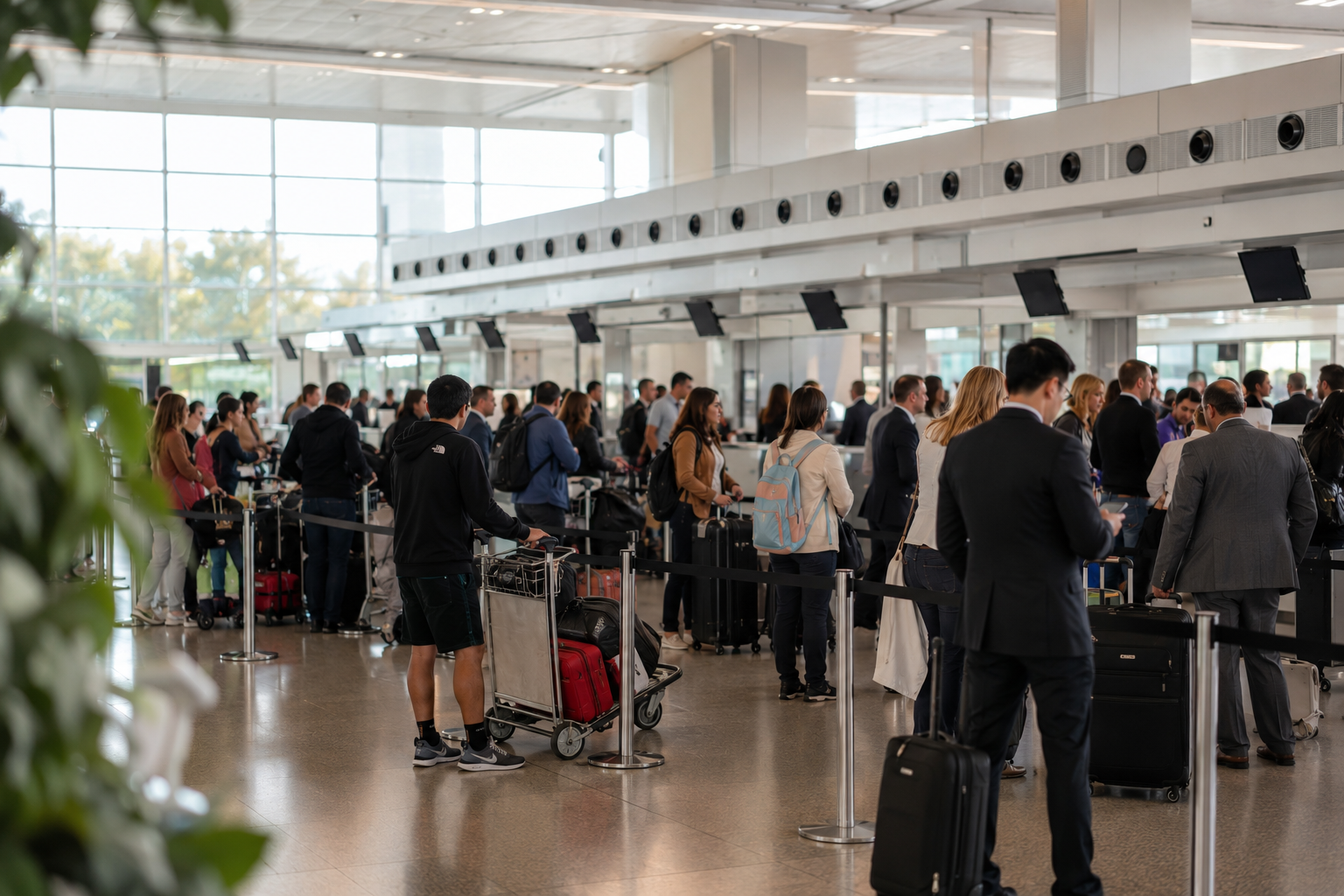
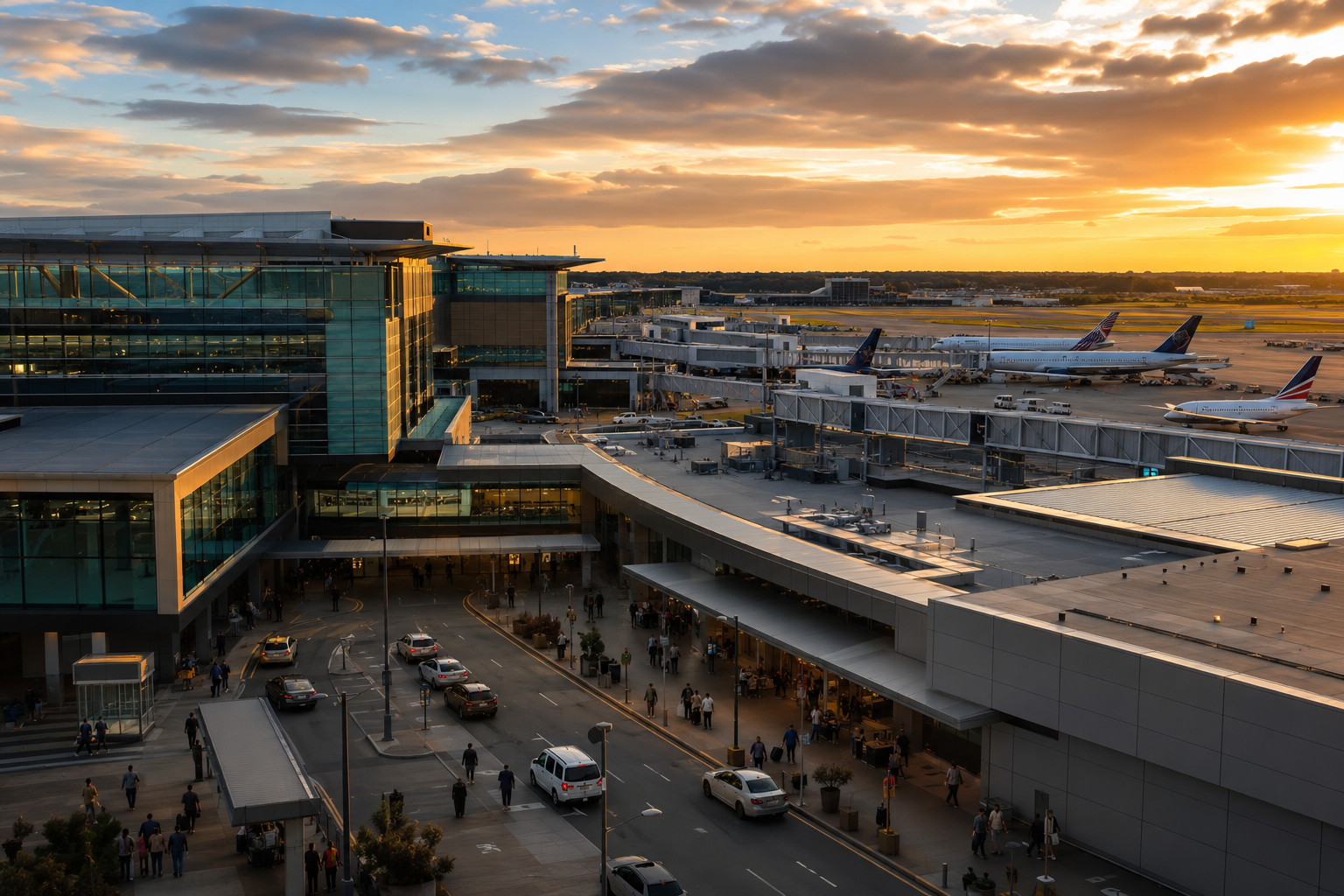
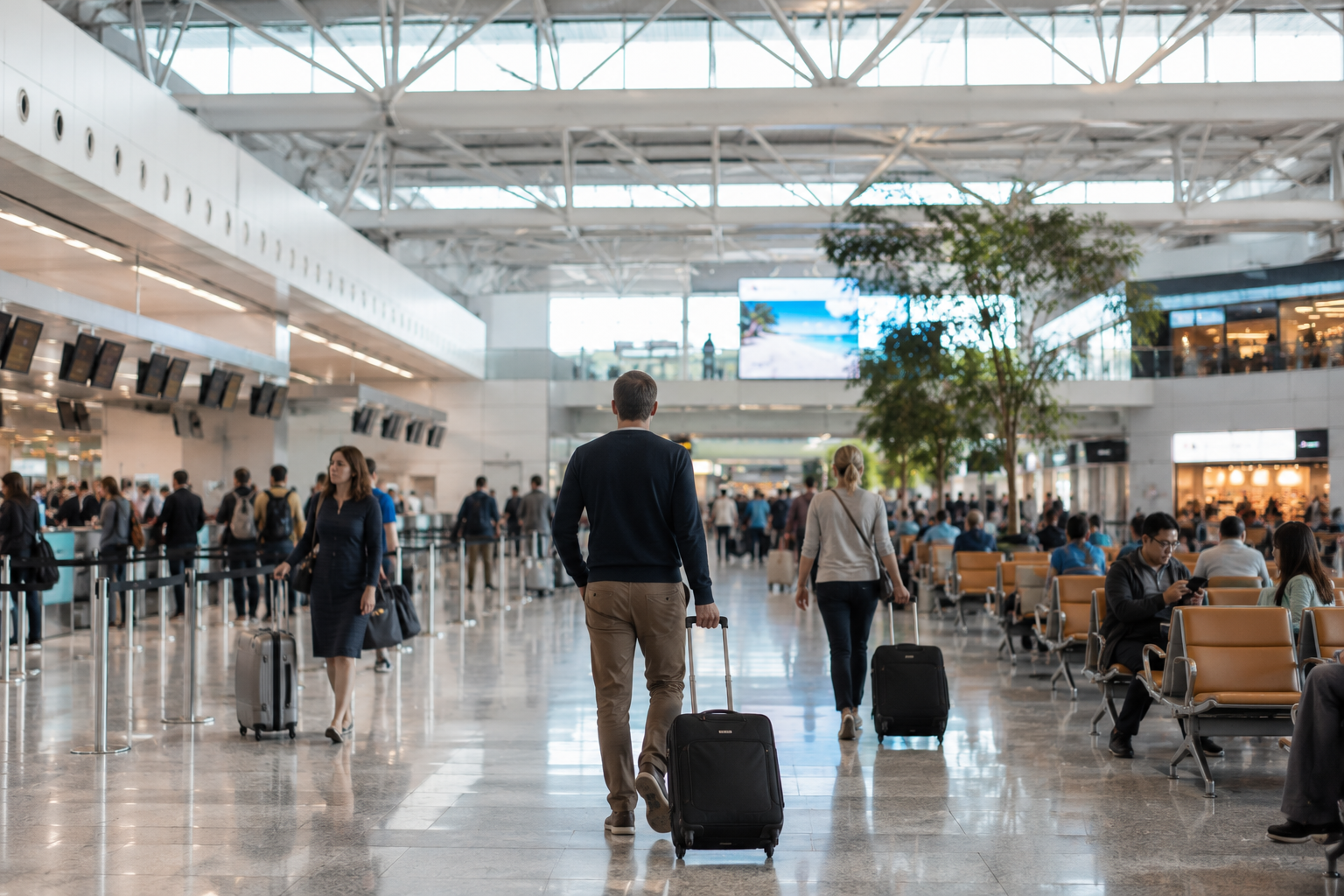
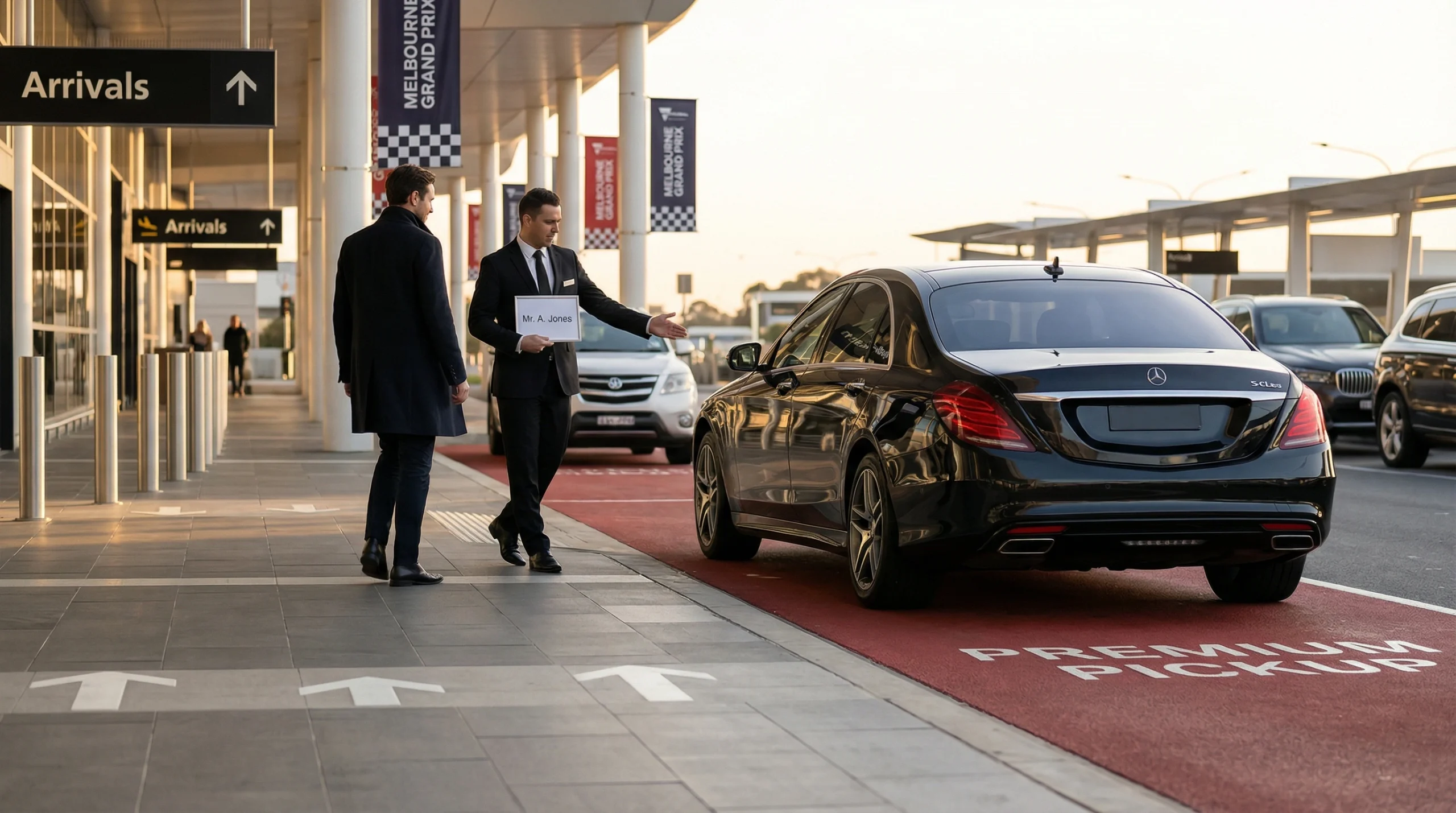
Melbourne Airport sits about 23 kilometres north-west of the city. It has four terminals in one precinct. Terminals 1, 2 and 3 sit under one roof. Terminal 4 is a short walk away. The international terminal is T2, while the others handle domestic flights. Because the terminals are close, walking between them is easy. Always check your terminal before you travel. It depends on your airline, not your destination. You can confirm live terminal details on the official Melbourne Airport website.
- Melbourne Airport (Tullamarine) has four terminals: T1, T2, T3 and T4.
- Terminal 1 (T1): Qantas domestic flights and QantasLink regional services.
- Terminal 2 (T2): all international flights, both arrivals and departures.
- Terminal 3 (T3): Virgin Australia and other domestic carriers.
- Terminal 4 (T4): low-cost domestic airlines, including Jetstar, Rex and Bonza.
- Terminals 1, 2 and 3 are connected under one roof; Terminal 4 is a short covered walk away.
- There is no shuttle bus between terminals, as they are within walking distance.
- Melbourne Airport is about 23 km from the CBD, a 25 to 35 minute drive via CityLink.
- Arrive 2 hours early for domestic flights and 3 hours early for international flights.
- Transport options include taxi, rideshare, SkyBus, parking and pre-booked chauffeur transfers.
Terminal 1 is the home of Qantas domestic flights. If you fly Qantas within Australia, you check in here. It has lounges, cafes, shops and baggage services. QantasLink regional flights also depart from this terminal. Moreover, Terminal 1 connects directly to Terminals 2 and 3. You can walk between them without going outside. For Qantas international flights, however, you need Terminal 2 instead.
Terminal 2: InternationalTerminal 2 handles all international flights, both arrivals and departures. Every airline flying overseas from Melbourne uses this terminal. This includes Qantas, Emirates, Singapore Airlines and Cathay Pacific. It has customs, immigration, duty-free shopping and currency exchange. Because international travel needs extra checks, allow more time here. In addition, Terminal 2 connects under cover to Terminals 1 and 3. So transfers between domestic and international flights stay simple. Our Melbourne airport transfers meet you right at this terminal on arrival.
Terminal 3: Virgin Australia and DomesticTerminal 3 is used by Virgin Australia for domestic flights. Some other carriers use it too. It offers check-in, baggage services, lounges, cafes and shops. Like the others, it links directly to Terminals 1 and 2 under one roof. Therefore, connecting from a Virgin domestic flight to an international one is easy. You simply walk across to Terminal 2. Always confirm your airline, as terminal allocations can change.
Terminal 4: Low-Cost DomesticTerminal 4 serves low-cost domestic airlines. These include Jetstar, Rex and Bonza. It is a modern terminal built for quick, budget travel. Unlike Terminals 1, 2 and 3, it is a separate building. Even so, it is just a short covered walk away. Terminal 4 has self-service check-in, food outlets and shops. If you fly Jetstar domestically, this is your terminal. Allow a few extra minutes to walk across from the main precinct.
Getting Between TerminalsMoving between terminals is simple. Terminals 1, 2 and 3 are connected under one roof. So you can walk between them in a few minutes. Terminal 4 is a short, covered walk from the main precinct. Unlike some larger airports, there is no shuttle bus between terminals. Signage throughout the airport is clear. However, if you have a tight connection, allow enough time. This matters most when moving between domestic and international flights.
FAQs


